Myths Of Homelessness
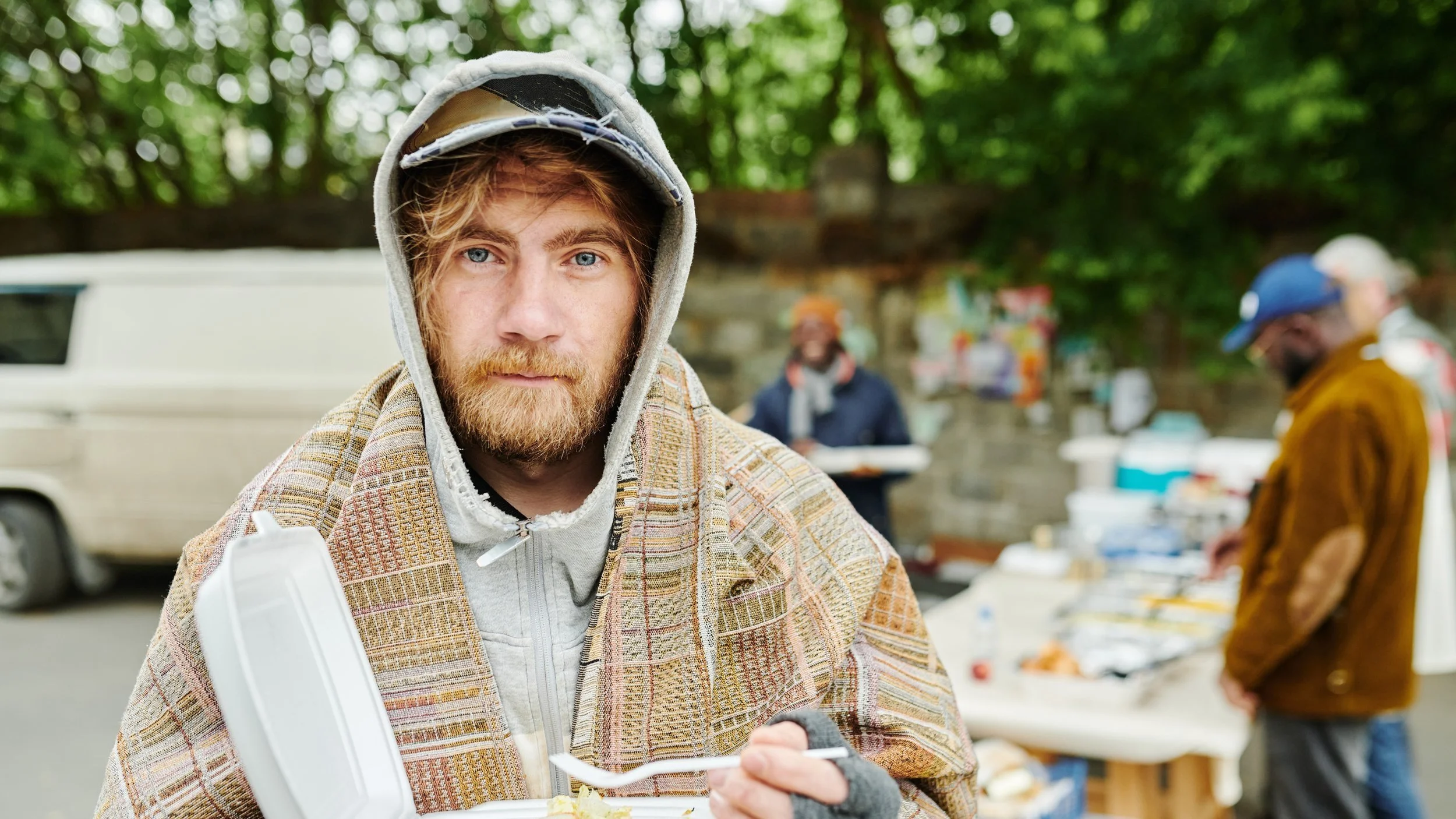
There are five major myths about homelessness
1. The homeless have caused their own situation and deserve to live in it.
2. The homeless are basically lazy and don’t want to change.
3. The homeless are all criminals and scary.
4. The homeless are all drug addicts and mentally unstable.
5. The homeless are not from here, they need to go away.
Let’s take a closer look at these common myths and see another side of the story.
1. “The homeless have caused their own situation and deserve to live in it.”
There is an old saying: “They have made their bed now let them lie in it.”
There are many reasons a person becomes homeless. In another blog, we talk about the profound loss of family, but other factors are part of the overall picture. Loss of a job begins a quick downhill slide for a person to lose their housing and their cars, and end up on the streets. Sometimes a loss of a job is due to a medical condition or just an economic downturn. Most of the homeless we have met are not homeless due to their own choices.
2. “The homeless are basically lazy and don’t want to change.”
We have to admit we believed this at one time until we began to understand more. To live on the streets is dangerous and scary. There is a constant threat to being attacked and/or molested in the dark, so many stay awake at night to protect themselves and sleep during the day when it is safer. When we see a homeless person asleep in a park or in a public place we can assume they are lazy, but they are just sleep-deprived. And, being sleep deprived, it is almost impossible to land or keep a job. Life for the homeless is one of survival and it won’t change until they get a “hand-up” out of their situation. Note: women especially have a hard time on the streets. They live in fear at night. We discovered when we had a safe place for a woman to be to get off the streets she will often take days of sleep to catch up and one could see the immediate change of peace on their countenance.
3. “The homeless are all criminals and scary.”
It is easy to be scared of someone who is different and looks scary. A homeless person doesn’t have a wardrobe and usually only has the clothes on their backs. They may wear layers of old, dark clothing (often dark clothing helps protect them from attacks). Their hair is unkempt and straggly which adds to the persona. Yes, homeless people are often “opportunists” when they are hungry and need basics to survive. Their crimes are mostly against other homeless people, but given the chance to escape the streets their criminal ways often desist.
4. “The homeless are all drug addicts and mentally unstable.”
There are three factors that are related when it comes to homelessness.
They are:
1. Mental Health.
2. Addiction.
3. Homeless.
Which comes first?
Do mental health issues lead to homelessness or does homelessness lead to mental health issues? Both.
Do addiction issues lead to homelessness or does homelessness lead to addiction issues? Both.
Do mental health issues lead to addiction or does addiction lead to mental health issues? Both.
People on the streets are trying to survive and often need “dope” to cope. When “hope” is restored in a homeless person’s heart they no longer need “dope” to cope. Rather, their mental health improves, and their addiction decreases and for many eventually disappears.
5. “The homeless are not from here, they need to go away.”
We often hear “build it and they will come” or something along the lines of feeding stray cats. Behind these comments is the belief the homeless in our communities have come from somewhere else and need to be encouraged if not forced to leave and go away.
But a quick investigation into the origins of the homeless in our communities will reveal the majority have grown up in our community and became homeless due to a loss of family, job, health, or other factors. They are us and as a community, we need to help our own.
By,
Pastor Chad McComas