
Your Questions, Answered
-
Homeless Solutions Consultants provides system-level support to communities working across the homelessness and housing continuum. Our services are designed to strengthen coordination, build local capacity, and close gaps over time.
Our work includes:
System-level gap analysis and planning to identify where people are getting stuck and where shelter, housing, or service capacity is missing
Community-specific roadmaps and implementation support that align local partners, funding, and timelines
Shelter and housing system design, including startup support, operational planning, and sustainability strategies
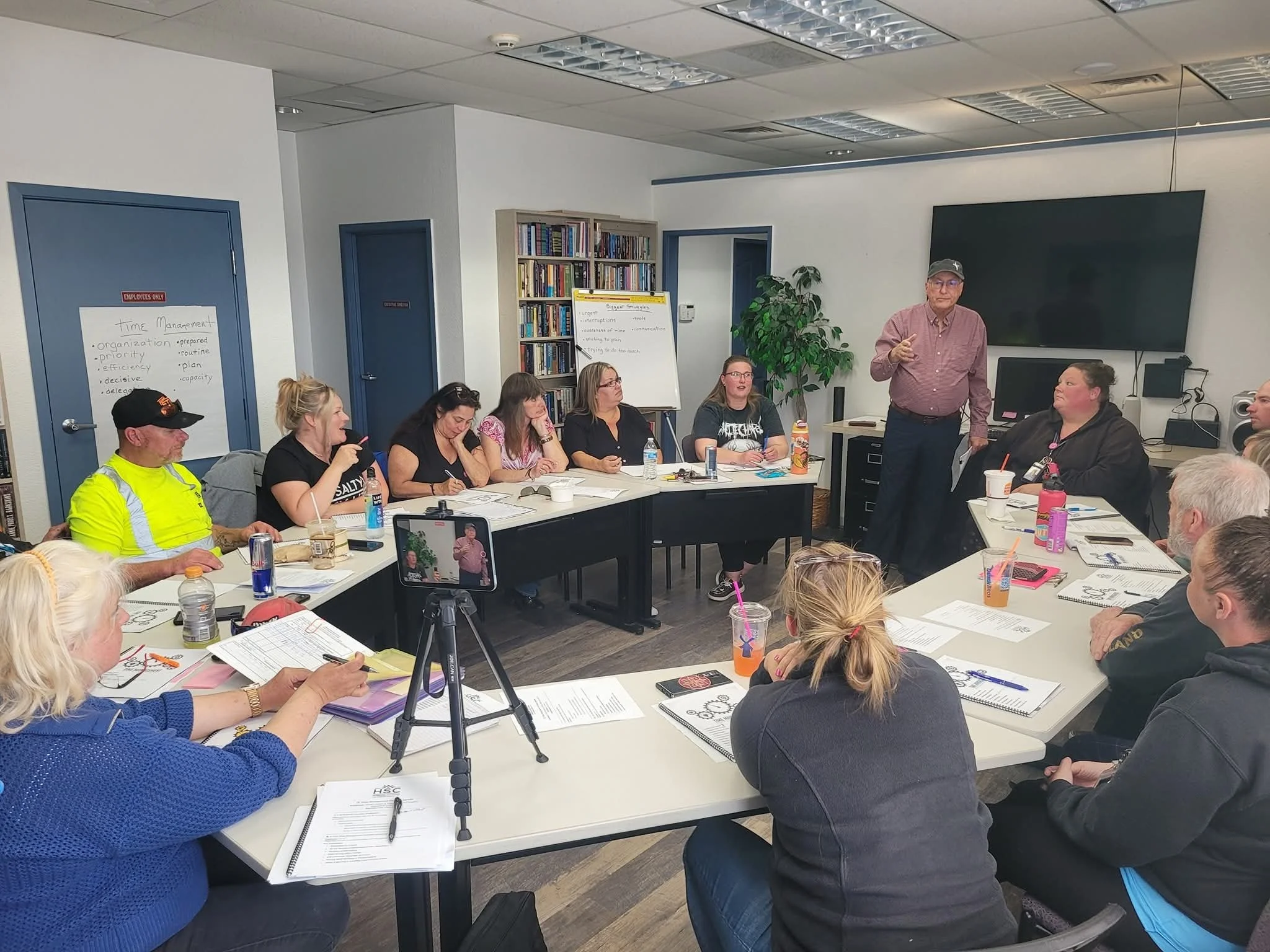
Workforce Readiness training for frontline staff, addressing the lack of standardized, shelter-specific training in the field
Targeted technical assistance and coaching for local leaders, providers, and regional systems
We work collaboratively with public agencies, nonprofit organizations, and regional partnerships to develop practical solutions grounded in local realities.
-
No single organization can solve homelessness on its own—and anyone who claims otherwise should be questioned.
What can be solved are the system failures that keep people homeless longer than necessary: disconnected services, unclear pathways, workforce burnout, and gaps between shelter, housing, and support.
Our role is to help communities build systems that function better together. When shelter, housing, services, and leadership are aligned, homelessness becomes rare, brief, and non-recurring over time. That outcome is achievable—but it requires coordination, capacity, and sustained local commitment.
We help communities build those conditions.
-
Traditional consulting often focuses on producing reports, recommendations, or compliance-driven deliverables. While those tools can be useful, they rarely change how systems operate day to day on their own.
Our work is embedded and practical. We focus on how systems actually function, where people get stuck, and what needs to change to improve outcomes. We stay engaged through planning, alignment, and early implementation so recommendations translate into action.
We bring lived operational experience from shelter operations, housing development, public housing authorities, and system coordination. In short, we help communities build capacity, not just produce plans.
-
Getting started is simple. We begin with a conversation to understand your community, your goals, and where you are experiencing pressure within your shelter and housing system.
From there, we may recommend:
A focused gap analysis
A short-term planning or roadmap effort
Workforce Readiness training for frontline staff
Or targeted technical assistance to support an existing initiative
There is no one-size-fits-all approach. Our work is tailored to your community’s size, capacity, and timeline.
To start the conversation, book an introductory call or reach out through our contact form.
-
Shelter systems and frontline staff sit at the front door of the homelessness response system. They are often where people first seek safety—and where system breakdowns become most visible.
In many communities, shelters are expected to manage complex needs without consistent training, clear pathways to housing, or adequate system support. This places enormous pressure on frontline staff and contributes to burnout, turnover, and inconsistent outcomes.
By strengthening shelter operations and investing in frontline staff, communities improve safety, stability, and continuity across the entire system. When shelters function well and staff are supported, people move more effectively from crisis to housing and services.
Focusing on shelters and the workforce is about reinforcing the foundation the rest of the system depends on.
-
Rural communities face many of the same homelessness challenges as larger cities—but with fewer resources, smaller workforces, and less margin for error. Models designed for urban systems often do not translate well to rural contexts.
Our team has extensive experience working in rural and coastal communities, where success depends on practical planning, strong partnerships, and systems that can operate at smaller scale. We focus on approaches that are adaptable, sustainable, and realistic given local capacity.
Rural communities are not behind—they simply require solutions designed for the environments they operate in.