
The Difference Between Caring and Carrying
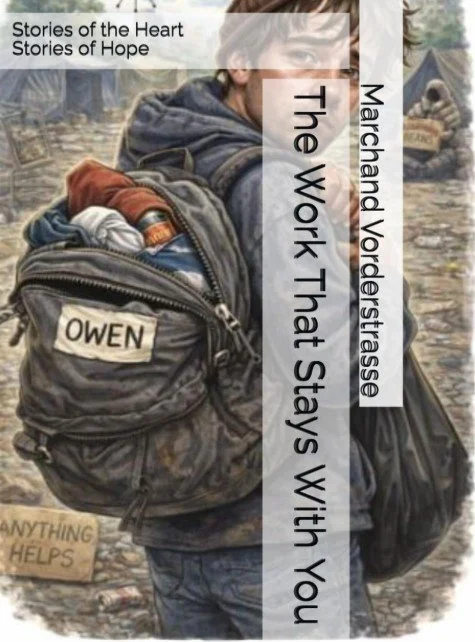
If you've worked in outreach, case management, shelter operations, recovery services, or behavioral health long enough, you've probably experienced this moment:
You leave work.
You drive home.
And the work comes with you.
You think about the person who didn't show up for their appointment.
The veteran sleeping in his truck.
The mother trying to get her children back.
The individual struggling with addiction who swore this time would be different.
You replay conversations.
You wonder if you missed something.
You ask yourself if there was more you could have done.
At first, it feels like compassion.
And in many ways, it is.
But over time, something subtle can happen.
The line between caring and carrying begins to disappear.
Caring Is Healthy
Caring is what brings most people into this work.
It's what allows us to connect with people.
It's what helps us see the humanity behind the paperwork, the diagnoses, the housing applications, and the case notes.
Caring allows us to show up consistently.
It helps us build trust.
It reminds people they matter.
Without caring, this work becomes transactional.
And people know the difference.
Carrying Is Different
Carrying happens when someone else's struggle begins to feel like your responsibility.
You start carrying outcomes.
You start carrying setbacks.
You start carrying decisions that were never yours to make.
Someone relapses.
You carry it.
Someone refuses housing.
You carry it.
Someone disappears from services.
You carry it.
Someone dies.
You carry it.
The challenge is that carrying often disguises itself as dedication.
It feels noble.
It feels compassionate.
It feels like you're doing your job.
But eventually, it becomes too much.
Because no one was designed to carry the weight of hundreds of lives.
The Trap of Responsibility
One of the biggest lies helping professionals tell themselves is:
"If I care enough, I can fix this."
But homelessness is complicated.
Addiction is complicated.
Mental illness is complicated.
Trauma is complicated.
People are complicated.
No amount of caring gives us control over another person's choices.
And when we mistake compassion for responsibility, we begin measuring our worth by outcomes we cannot control.
That's a dangerous place to live.
What Healthy Service Looks Like
Healthy service means showing up fully while recognizing your limits.
It means being present without absorbing everything.
It means caring deeply without becoming responsible for every outcome.
It means understanding that your role is important—but it is not all-powerful.
You can be part of someone's journey without becoming responsible for the entire journey.
You can care without carrying.
The Long Game
The goal isn't to help the most people this month.
The goal is to still be helping people ten years from now.
Communities don't just need passionate people.
They need sustainable people.
People who understand how to care deeply while remaining healthy themselves.
People who can show up tomorrow because they didn't destroy themselves today.
The work is important.
The people are important.
But you matter too.
Learning the difference between caring and carrying may be one of the most important skills you'll ever develop in this work.
Because when you stop carrying what was never yours to hold, you create room to keep caring for a very long time.
By Marchand Vorderstrasse