
The DNMP Campus-Based Model: A Blueprint for Intentional Shelter Culture
What the First Week Reveals
At Homeless Solutions Consultants (HSC), we often tell communities that culture isn't something you fix after opening a shelter. It's something you build long before the first resident arrives.
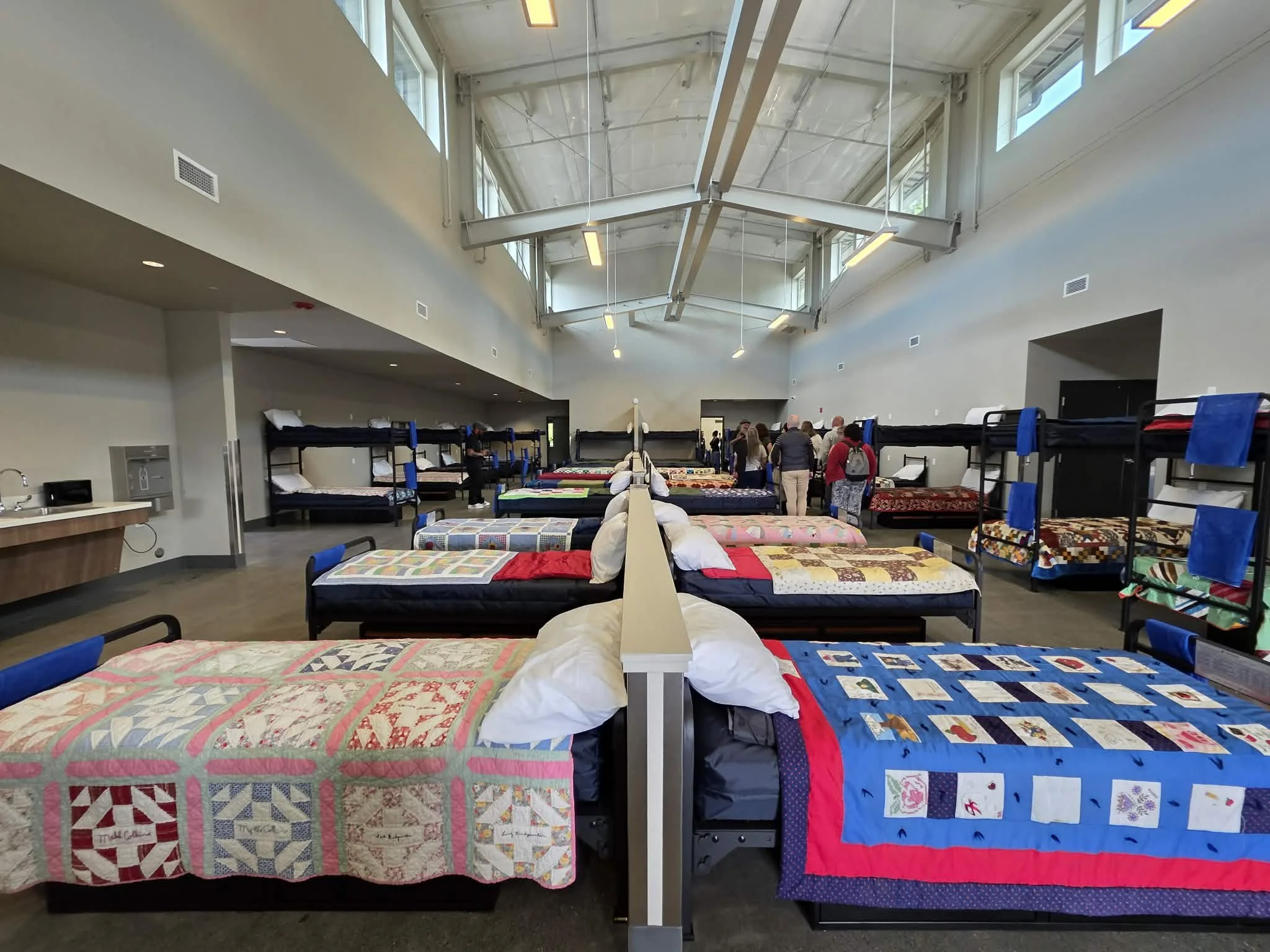
The first week of operations at Del Norte Mission Possible's (DNMP) new Campus-Based Model offers an early example of why that matters.
Less than seven days after opening, the program is already demonstrating what happens when facility design, operational planning, staff training, and leadership are intentionally aligned from the very beginning.
The residents arriving at the campus represent many of the populations communities often struggle to serve simultaneously. They include individuals who have experienced lifelong homelessness, people living with physical disabilities, older adults, and young adults working to maintain employment while navigating housing instability.
What has emerged during the first week is not simply occupancy—it is community.
Residents are respecting one another, supporting one another, and beginning to establish the social norms that create a safe and stable shelter environment.
One resident has never experienced stable housing at any point in his life. Another young adult needed something remarkably simple: access to a shower and a safe place to sleep so he could continue going to work. Those needs are now being met.
These are not accidental successes.
They are the result of intentional preparation.
Before the first resident ever walked through the doors, DNMP's leadership invested months developing policies, training staff, establishing operational expectations, and creating a culture centered on dignity, accountability, trauma-informed care, and mutual respect. HSC was honored to support that planning process, helping translate vision into operational systems that could be implemented on day one.
One of the most common questions communities ask after opening a new shelter is, "When will we start seeing success stories?"
The question itself reflects a misunderstanding of what successful shelter operations look like.
The first week is not about dramatic transformations.
It is about creating safety.
It is about establishing consistency.
It is about building trust.
It is about demonstrating that people with complex histories can successfully share community when expectations are clear, staff are prepared, and the environment is intentionally designed to support both accountability and compassion.
Long-term housing outcomes begin with these first steps.
When people sleep safely, they engage with case managers. When they can shower, they keep their jobs. When they experience stability, they begin planning for what comes next. Every permanent housing placement starts with creating an environment where people can believe stability is possible.
For HSC, the DNMP Campus-Based Model reinforces a lesson we've seen across communities: successful shelter systems are not created by chance. They are designed.
As the campus continues to mature, we'll continue documenting both the operational lessons and the resident outcomes that emerge. We believe these insights can help other communities build shelter systems that do more than provide emergency beds—they can create the conditions that move people from crisis toward stability, housing, and long-term success.
Because in homelessness response, the first measure of success isn't whether lives have already been transformed.
It's whether the environment has been intentionally built so transformation becomes possible.
By Phil Johncock