
The Myth of Saving People
Most people enter helping professions because they want to make a difference.
That's a good thing.
In fact, it's often what draws people to outreach, shelters, recovery services, case management, behavioral health, and community work in the first place.
You see someone struggling.
You see injustice.
You see pain.
And something inside you says:
"I want to help."
The problem isn't the desire to help.
The problem is what sometimes happens next.
Without realizing it, helping can slowly turn into saving.
And saving is a burden no one can carry for very long.
The Hero Trap
Every helping profession has a version of the hero story.
The outreach worker who never gives up.
The case manager who fixes every problem.
The counselor who changes someone's life.
The advocate who rescues people from impossible situations.
Those stories feel inspiring.
But they can also create unrealistic expectations.
Because real life doesn't work that way.
People are not waiting to be rescued.
People are trying to navigate incredibly complicated circumstances.
And no matter how skilled, compassionate, or committed you are, you cannot live someone else's life for them.
People Are Not Projects
One of the most important lessons in this work is learning to see people as people.
Not projects.
Not outcomes.
Not success stories waiting to happen.
People.
With strengths.
Choices.
Fears.
Dreams.
Traumas.
Failures.
And dignity.
When we start viewing people as projects, we unconsciously take ownership of their journey.
We begin measuring ourselves by whether they succeed.
And that's where things become dangerous.
Because their journey belongs to them.
Not us.
The Pressure of Outcomes
Many helping professionals quietly carry an enormous amount of pressure.
If someone gets housed, it feels like success.
If someone relapses, it feels like failure.
If someone refuses help, it feels personal.
If someone disappears, it can feel heartbreaking.
Over time, that emotional roller coaster becomes exhausting.
Because your sense of purpose becomes tied to outcomes you don't control.
And no matter how hard you work, there will always be things outside your influence.
That's not a flaw in the work.
That's reality.
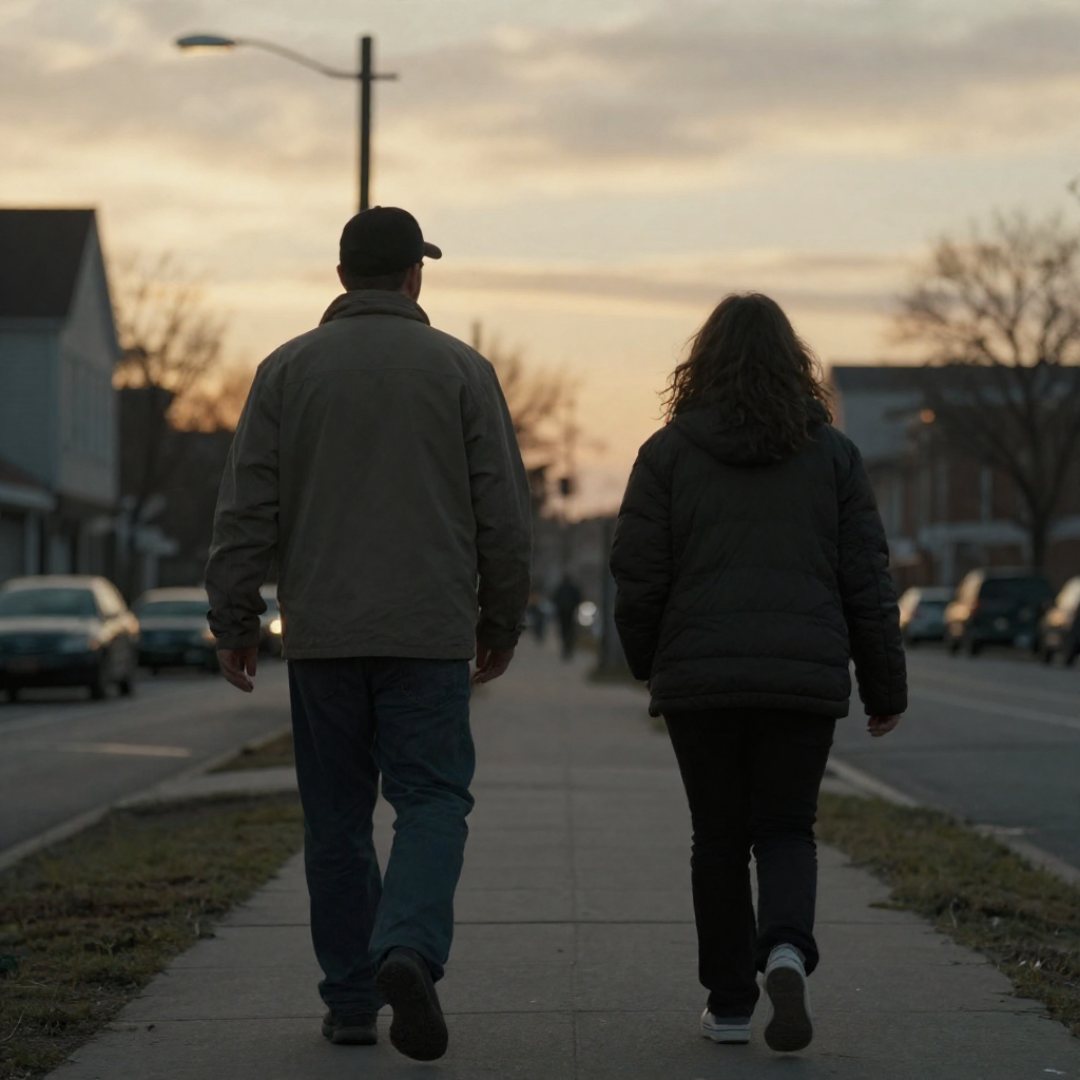
Walking Beside Instead of Pulling
The healthiest helping professionals eventually make a shift.
They stop trying to pull people forward.
They start walking beside them.
Walking beside someone looks different.
It means offering support without taking control.
It means providing resources without forcing decisions.
It means encouraging without manipulating.
It means respecting someone's autonomy, even when you disagree with their choices.
Most importantly, it means recognizing that change belongs to the person experiencing it.
Not to the professional standing beside them.
The Dignity of Choice
One of the hardest parts of this work is watching people make decisions you wouldn't make.
Decisions that slow progress.
Decisions that create setbacks.
Decisions that seem frustrating from the outside.
But dignity requires choice.
And choice requires the freedom to make mistakes.
The same freedom every one of us has been given.
When we forget this, we begin treating people like problems to solve rather than human beings with agency.
And that never leads anywhere healthy.
What Success Really Looks Like
Success in this work is often much smaller than people imagine.
Sometimes success is housing.
Sometimes it's recovery.
Sometimes it's employment.
But sometimes success is simply trust.
A conversation.
A connection.
A moment where someone feels seen.
A relationship that keeps the door open for future change.
Those moments matter.
Even when they don't immediately produce measurable outcomes.
Sometimes they become the foundation everything else is built upon.
The Freedom of Letting Go
One of the most liberating realizations in helping professions is this:
You do not have to save people.
You couldn't if you tried.
Your role is not to rescue.
Your role is to show up.
To care.
To advocate.
To support.
To encourage.
To walk alongside.
And then trust that people have their own journey to walk.
That doesn't make the work less meaningful.
It makes it sustainable.
Because when you stop trying to save everyone, you finally have the energy to truly serve them.
Why This Matters
Communities need compassionate people.
Communities need skilled professionals.
Communities need people willing to show up consistently.
But they don't need heroes.
They need partners.
People willing to walk beside others without taking ownership of lives that don't belong to them.
Because lasting change is rarely created by someone being rescued.
It's created when someone discovers they are capable of moving forward themselves.
And sometimes the greatest gift we can offer is simply being there while that happens.
That is not less important than saving someone.
It may be more important.
Because it honors their dignity.
Their strength.
And their ability to write the next chapter of their own story.
By Matthew Vorderstrasse