
You Were Never Meant to Do This Alone
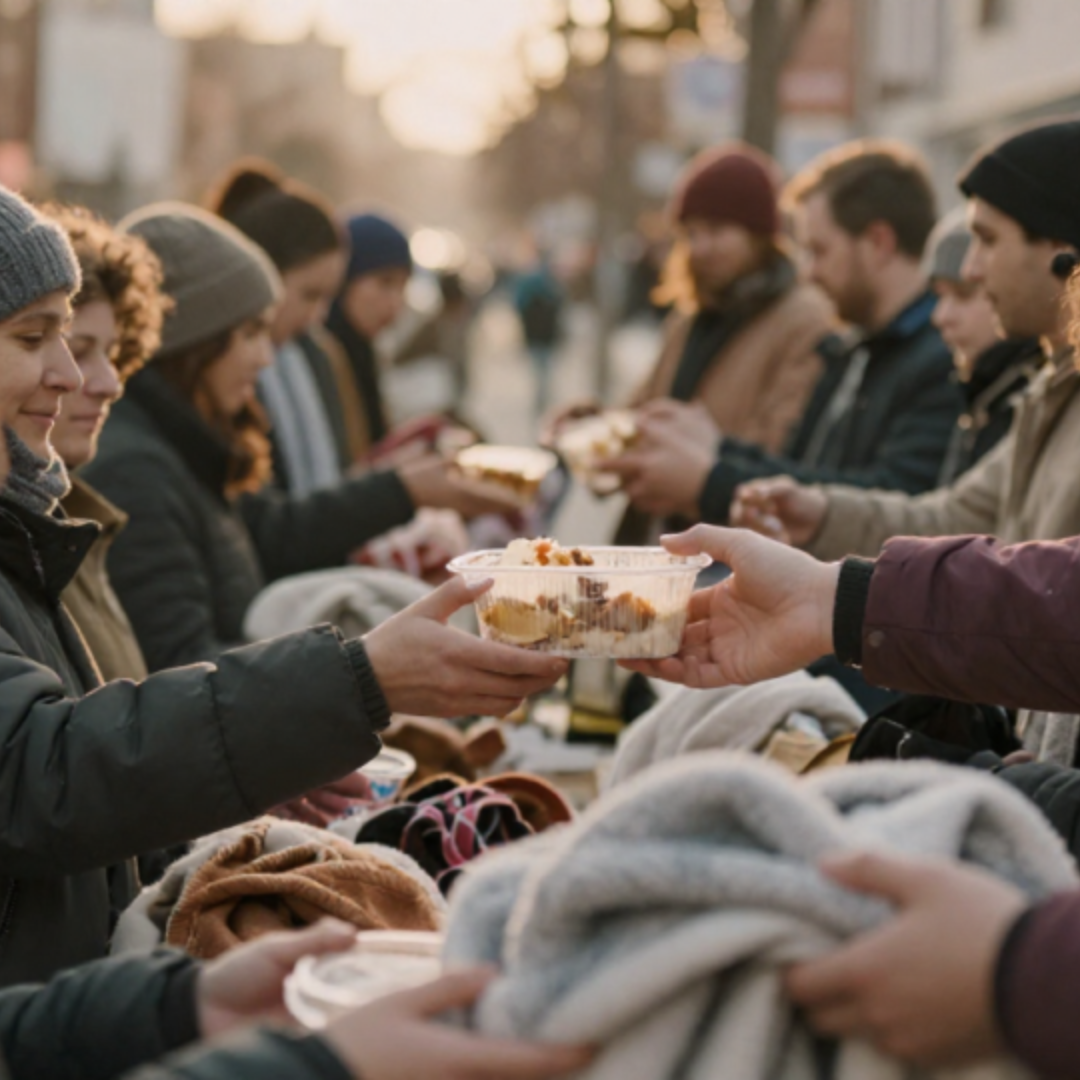
One of the greatest myths in helping professions is that strength means handling everything yourself.
We don't usually say it out loud.
But many of us believe it.
We believe we should be able to carry the workload.
Manage the crises.
Handle the difficult conversations.
Process the losses.
And somehow keep moving forward without needing much from anyone else.
But that belief comes with a cost.
Because this work was never meant to be done alone.
The Isolation Trap
Human services can be surprisingly isolating.
People see us surrounded by others all day and assume we're constantly connected.
But being around people is not the same as being supported by people.
Many outreach workers, case managers, shelter staff, peer supports, and leaders spend their days helping everyone else while quietly carrying their own burdens.
They become the person others rely on.
The problem solver.
The listener.
The calm voice in the storm.
And over time, they stop talking about their own struggles.
Not because they don't have them.
Because they don't want to burden anyone else.
That's where isolation begins.
Not physically.
Emotionally.
The Weight Gets Heavier in Silence
Difficult experiences have a way of growing when they're carried alone.
The story you can't stop thinking about.
The client you lost.
The family that slipped through the cracks.
The difficult decision that keeps replaying in your mind.
When those experiences stay trapped inside, they often become heavier than they need to be.
What might have been processed through a conversation becomes something carried for months or years.
Not because it was impossible to handle.
Because it was handled alone.
Why Teams Matter
The strongest organizations are not built on heroic individuals.
They're built on healthy teams.
Teams create space for people to talk honestly.
To debrief difficult situations.
To ask questions.
To admit they don't have all the answers.
To say, "This one is sticking with me."
Without fear of judgment.
Without fear of looking weak.
Because the reality is simple:
The work becomes more sustainable when the weight is shared.
Community Isn't Just for the People We Serve
We spend a lot of time talking about community for the people we're trying to help.
We know that connection improves outcomes.
We know isolation makes everything harder.
We know people thrive when they belong.
What's interesting is how often we forget those same truths apply to us.
The outreach worker needs community.
The shelter staff member needs community.
The case manager needs community.
The supervisor needs community.
The executive director needs community.
Everyone does.
Because human beings haven't changed as much as we think.
We still do better together.
Asking for Help Is Not Weakness
Many helping professionals struggle with this.
They are comfortable offering support.
Less comfortable receiving it.
They're quick to check on everyone else.
Slow to admit when they're struggling.
But asking for help is not a sign that you're failing.
It's a sign that you're human.
And often, it's one of the healthiest things you can do.
The strongest people I know are not the ones who never need support.
They're the ones willing to reach for it when they do.
Staying for the Long Haul
People often ask what allows someone to stay in this work for decades.
The answer is rarely talent.
Rarely intelligence.
Rarely even passion.
It's connection.
People who last build support systems.
They find trusted colleagues.
Mentors.
Friends.
Family.
Faith communities.
People who remind them they don't have to carry everything alone.
Because they don't.
And neither do you.
The Truth
This work is hard.
Some days are heavier than others.
Some stories stay with you.
Some losses hurt.
Some victories take years to arrive.
But none of that means you were meant to walk the road alone.
The strongest outreach workers aren't the ones who carry the most weight.
They're the ones who know when to share it.
Because the goal isn't to prove how much you can carry.
The goal is to remain.
And remaining becomes much more possible when you remember something simple:
You were never meant to do this alone.
By Marchand Vorderstrasse